







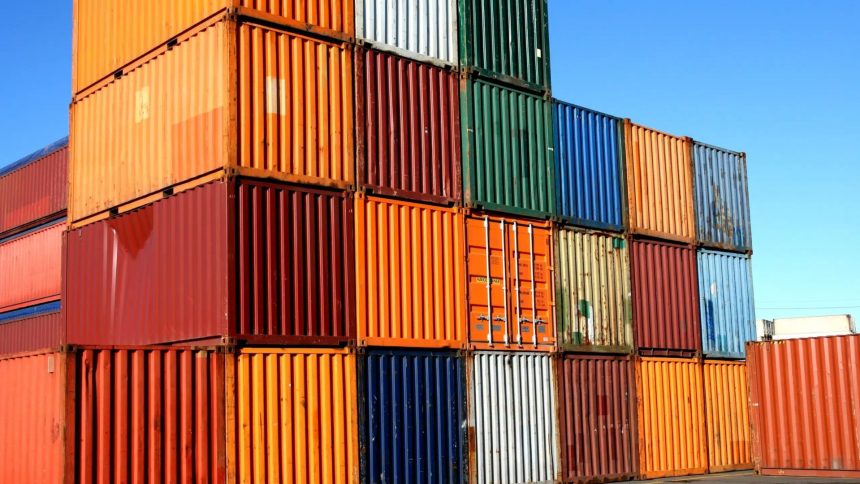
Mombasa Port Traders Oppose Mandatory Cargo Radiation Checks Over Costs
Importers and Exporters are sounding the alarm over a new rule that’s got them in a bind. This new directive from the Kenya Nuclear Regulatory Authority (KNRA) requires cargo to get screened for nuclear and radioactive materials by a May 1 deadline – and traders are saying that just isn’t enough time.
Short Notice Leaves Traders Scrambling
The catch is that this directive was made public on the 20th April – giving industry folks a mere 2 weeks to get their act together. And stakeholders are saying that’s just not good enough. The Shippers Council of Eastern Africa (SCEA), which represents all the key players in shipping and logistics, has written to KNRA to plead for more time.
The letter to KNRA Director General James Keter points out that the 14 days notice period is a far cry from the standard 30 days that most people in the industry think is the bare minimum for something as big as this. SCEA’s CEO Agayo Ogambi has been going on record to express the concerns of the industry.

“What on earth are KNRA going to do to make sure this goes off without a hitch? Given the massive amount of cargo that goes through Mombasa port every year I just don’t see how they’re going to cope”, Ogambi asked.
Capacity Concerns at Mombasa Port
And it’s the Port of Mombasa that is at the centre of all this. This is East Africa’s busiest seaport, with around 2.2 million containers and 4.5 million metric tonnes of cargo going through every year and still growing.



So, with this new directive requiring every single container to be screened at the port – at a minimum of Sh1,000 per container – traders are wondering what KNRA has got planned to make this happen without causing chaos. And with the number of radiation monitors needed to be installed at key entry and exit points, plus inland container depots, industry players are getting a little worried.
“These radiation monitors are supposed to be able to detect nuclear and radioactive materials without having to open the boxes and that’s all good and fine, but does KNRA even have the kind of manpower and infrastructure to make this happen?” is what a lot of traders are asking.
Unclear Fees and Rising Cost of Trade
But even if logistics is not a major sticking point, there’s another even bigger worry that’s got traders really spooked – which is how much is going to cost and how are they going to get it all paid for. Right now traders don’t know the details – exactly how much per container, when the fees have to be paid, or which platform importers will have to use to pay.
The bottom line is that traders are worried that piling on even more costs at a time when trade is already expensive is going to make Mombasa a whole lot less competitive – and that could just drive trade to places like Mombasa’s rival port in Dar es Salaam


Operational Confusion Adds to Uncertainty
The new directive lays out new traffic flows for trucks, importers and agents heading to scanning points – but stakeholders are worried this’ll just make congestion at the port even worse. And that’s a big problem: the port is already under pressure from a serious increase in cargo volumes.
One big question mark is which cargo gets priority – we still haven’t got a clear answer on that for transit goods which account for about 30% of the port’s throughput. Exporters, who deal with perishable goods, are getting anxious about the lack of clarity too.
Ogambi says the Kenya National Revenue Authority (KNRA) need to give a lot clearer idea how this directive fits in with the existing system and make sure exporters know they can expect smooth operations. And if they don’t, delays are likely – which will cost exporters extra for storage. And the Kenya Ports Authority (KPA) only gives five free days at the port before you have to start paying.
Call for Delay and Risk-Based Approach
SCEA think implementation should be pushed back to July 31, 2026 – that gives people time to sort out the operational problems and get their acts together.
The council also think that instead of blanket checks, scanning should be based on risk. Ogambi thinks blanket checks are practically impossible and that the directive doesn’t make clear enough what the risks are and what the chances are that something will go wrong.
Exporters and traders are also pushing for some of their goods to be exempt from scanning. They want KNRA to work with international agencies to make sure everything is in order before the goods even get sent to Kenya.
Too Many Agencies, Too Many Fees?
There’s a deeper issue behind the pushback – which is that the number of government agencies operating at ports of entry keeps growing and growing. There are now 38 of them all charging fees for their services. Traders say this is a nightmare – it’s making it hard to operate and is creating all kinds of problems.
Ogambi suggests setting up a single pool for government service fees – say Sh3,000 per container – to cover all the agencies. Some people in the business community think the fees are going up because the government is having trouble finding the money to fund the agencies and so they’re looking for other ways to make cash.
In Other News : High Court Blocks COFEK Withdrawal in US–Kenya Health Data Case
Mombasa Port Traders Oppose Mandatory Cargo Radiation Checks Over Costs