







Samburu to Host Rhino Charge 2026 as Conservation Efforts Gain Momentum
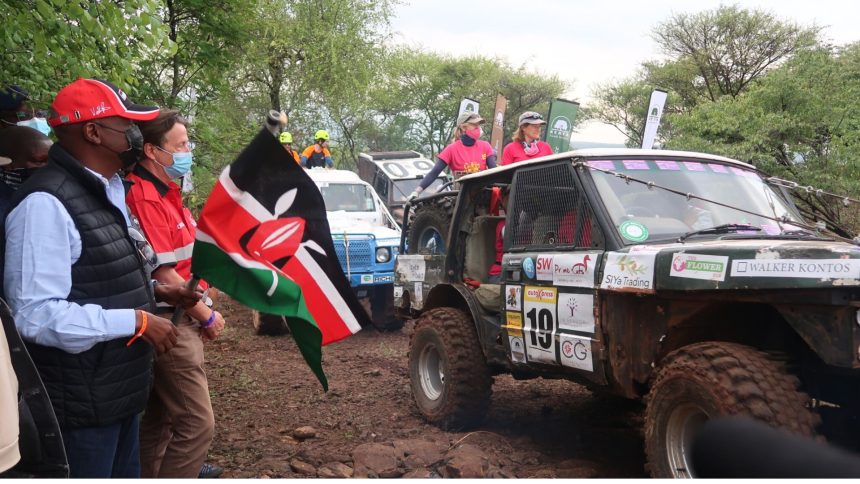
Samburu County is getting ready to host one of the most highly anticipated motorsport and conservation spectaculars in all of Kenya – and that spectacle is the 37th edition of the Rhino Charge. The news came out yesterday in Nairobi, and it’s not just another event – it’s the next chapter in decades of conservation efforts to protect Kenya’s delicate ecosystems.
Each year this event brings together off-road fans, conservationists and corporate sponsors all working towards a single goal: making a difference and raising cash to protect the environment.
Briefing in Nairobi Sets the Stage
The confirmation came during a get-together at Braeburn School in Nairobi – the official Drivers’ Briefing. And let me tell you, it was a real mixed bag of people – drivers, sponsors, officials, media and the support teams all getting ready for what is sure to be a tough and closely watched event this time around.


RC clerk Don White spoke to the crowd about what we can expect this year – and pointed out a few key changes.
“The fact we have 7 new teams joining the Rhino Charge this year just goes to show that this event is still super relevant to the new generation – and that’s even better for us, because it means we can operate at full capacity, and get even more cash for Rhino Ark projects” he said.


Mystery Location, Familiar Tradition
In line with tradition, the exact location of the competition remains under wraps. The teams won’t get all the details until just before the event, but we do know that the route will start at Archer’s Post, right on the Isiolo to Samburu border.
The secrecy’s been a big part of the fun all along – and continues to be so.
Technology and Safety Take Centre Stage
This year’s event is all about upping the ante technologically – making sure that results are more accurate and can keep up with the increasingly competitive teams.
“We went over a whole process to make sure our results are more accurate – we just had to keep up with how competitive things have got” White explained.



Safety’s also a major priority – especially for people who are flying in. The officials want to make sure that everyone who’s arriving by air gets pre-approval before turning up – and that no planes are just sitting parked at the airstrips so that things stay safe during the event.
Changes in the Results Team
There’s been a shift going on behind the scenes too. Philip Watson, previously navigator for car number 5, is now in charge of the Results Committee.
Watson told us the teams will get their results right after the competition and any disputes will be sorted out before the prize-giving ceremony. And that in itself is a pretty big deal – less hanging around, fewer controversies.
A Legacy Built on Conservation
Now in its 31st year, since the Rhino Charge was first set up back in 1989, it’s grown into so much more than just a motorsport event. It’s raised a staggering Sh 2.7 billion to support conservation efforts right across the country.
Some of the key areas this money’s been helping out are the Aberdare Range, Mount Kenya, the Mau Forest Complex and Kakamega Forest – all vital for water and biodiversity. And this year its already beaten the sales record with all 65 competition slots taken – which just goes to show people are still super keen.
Focus Turns to the Mau Forest
As the briefing started, Rhino Ark CEO Christian Lambrechts gave a rundown of the ongoing conservation work, but particularly in the Southern Mau Forest.
“Over the past year we’ve thrown a lot of resources at the southern part of the Mau – 158,000 hectares of indigenous forest that is the catchment for the Mara, Sondu and Ewaso Nyiro South rivers. Its been getting hammered with encroachment and settlements but working with our partners we are trying to turn it into a conservation area with a focus on tourism”
Lambrechts also mentioned that a new office has just been set up in Olenguruone to co-ordinate efforts including a major EU-backed project.
Fencing Projects Show Steady Progress
He also gave us an update on the electric fencing project which is one of the key conservation strategies
“Fencing on Mount Kenya is going pretty well – we’ve got 318 km up and running to date, and in Kakamega we’ve got 50 km of what will be 117 km of perimeter fence built so far – all of this is vital to stop ecosystems getting trashed by poachers and reduce that human-wildlife conflict”
But the work doesn’t stop there.
“Every km of fence we build gets us closer to protecting our ecosystems and communities but also means we have to keep going back to fix it – so to sort that out we’ve set up an Endowment Fund to keep the conservation work rolling in the long term.”
More Than Just a Race
Rhino Ark is putting a lot of effort in supporting community livelihoods, education and species recovery programmes beyond just the fencing and the event.
And that’s probably the thing that really draws people in every year – its not just about crossing Checkpoints anymore. Its about the cause behind it.
All Eyes on Samburu
Next Saturday Samburu will stage this years Rhino Charge, this time in its rugged, semi-arid terrain – a mix of endurance, strategy and a real sense of purpose.
Its not just about getting to the finish line anymore – its what the event stands for – and the impact it leaves behind.
In Other News : Kenya Adopts MFT Strategy in Major Shift Against Malaria
Samburu to Host Rhino Charge 2026 as Conservation Efforts Gain Momentum