







Government Incentives Drive Solar Energy Growth in Kenya
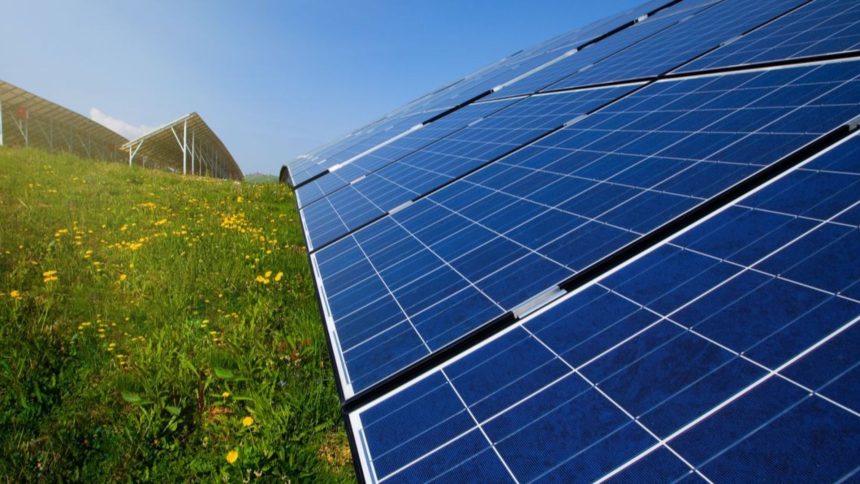
Kenya’s push towards clean energy is slowly but surely gaining pace. Government incentives and fresh partnerships in the private sector are all combining to make more and more households & businesses turn to solar power – not just as an ‘alternative’ to fossil fuels, but as the often more practical option when energy prices keep on creeping up.
At the heart of this shift are some pretty key policies designed to make green energy more accessible to everyone. So tax breaks on solar gear, plus some better financing options, are starting to chip away at the upfront costs that used to put so many people off.
Financing Model Eases Entry into Solar Adoption
Plexus Energy says they can already see the difference being felt. The company points to financing structures that now treat solar systems as, well, just another kind of asset, making it much easier for people to get hold of them without having to clear all the usual financial hurdles.


Talking at the launch of their partnership with Growatt, CEO Edward Kinyanjui said access to affordable financing is pretty much the key.
“Clean energy financing is sponsored and treats solar assets as collateral, so you don’t need to have some other security to get your hands on systems,” he said.



For loads of potential customers, that change of heart makes all the difference. Rather than having to stump up a huge upfront fee, customers can now spread the cost out over time – which makes solar energy a whole lot more achievable.
“Once you’ve paid back the loan, you’re effectively getting free energy for up to 25 years, and solar power stops you from getting caught out by those nasty fuel shocks, he noted,”
The long term benefits are getting harder to ignore. Once the system is paid off, users can go on relying on years of super low-cost – or virtually free – energy, while avoiding the uncertainty of prices going all over the place.
Rising Demand Signals Market Growth
From the supply side, it’s clear that demand is on the rise. Firms are reporting a steady increase in interest, especially for reliable & affordable solar components.


Growatt Rep Paterson Makau had this to say: “Kenya is looking like a really good bet for solar tech – we’re seeing loads of demand for affordable, high-quality inverters as the country starts to get on the green energy bandwagon.”
This growing hunger for solar solutions is in fact part of a bigger shift in how energy is being used across the country. More and more people are looking for solutions that are dependable & can withstand the pressure of both economic & environmental challenges.
Solutions Tailored for Local Conditions
Adoption rates are getting a boost because now companies are finally making their tech adapt to the real-world conditions in Africa. We’re seeing technology that’s designed specifically for the African environment rather than just some generic one-size-fits-all answer they used to be peddling.
Makau made a point about how their company’s products are tailored for what the African market actually needs.
“You know our inverters are designed to handle the African way & can still do their job, even when the environment is as harsh as it gets,” he told us.
That focus on getting products to last is especially vital in places where the weather can turn nasty & power infrastructure is patchy. All of which can make it hard to get reliable energy.
Rural Expansion Remains the Next Frontier
Even with all the progress that’s being made we still got a ways to go! Industry players agree that its still a major challenge to get energy out to more than just the cities. And there’s a particular focus on getting power to rural communities & smaller users who might be the ones who stand to gain the most from this tech.
They reckon having sustained govt support & targeted funding will be what’s needed to really push adoption to the next level
But for now at least the direction is clear: with costs coming down & access getting better for more & more people solar energy is no longer some kinda unaffordable pipe-dream – it’s just becoming a normal part of everyday life for Kenyans.
In Other News: Ruto and Museveni’s Oil Gamble Could Redefine East Africa
Government Incentives Drive Solar Energy Growth in Kenya