






New Ksh.188 Capitation Sparks Debate in Kenya’s Education Sector
Kenya’s education sector is again under the microscope following a fresh government allocation for primary schools – and this time round, the underlying worries are – to put it mildly -deepening.
A circular was dropped by the Ministry of Education back in April – dated April 23 and signed off by Education Principal Secretary Julius Bitok – detailing the figures – and this one has really got people scratching their heads.
Concerns Emerge Over Low Funding Allocation
The directive, allegedly produced to break down the funds across various learning needs, got off to a rocky start, with people questioning whether the given amount can actually make it to the classrooms.


The breakdown shows Ksh.5 is alloted for textbook maintenance – not much – a meagre Ksh.15 for teachers guides and reference materials, and – to throw some money towards the education of these children – Ksh.40 for exercise books – leaving the rest to be spread thinly across other key areas.
For many, this is where it gets worrying.


Teachers Question Practicality on the Ground
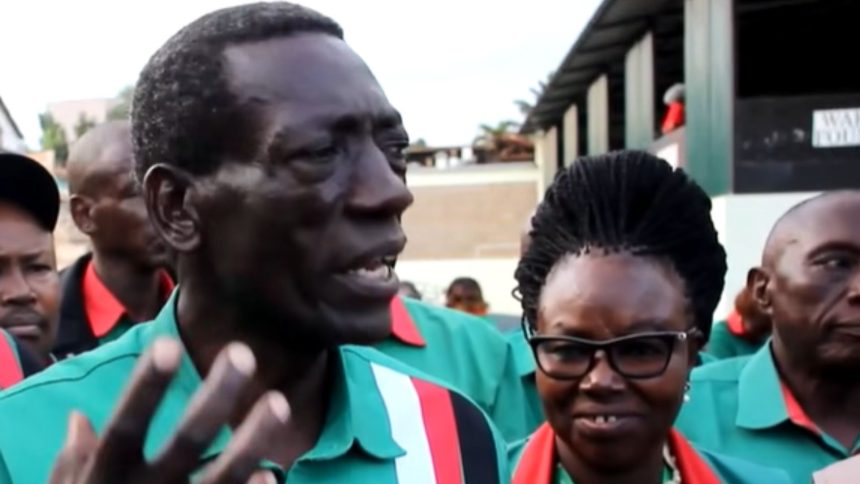
I spoke to KNUT officials and boy, didn’t they have a lot to say. They genuinely believe thatthe allocation is way short of what learners actually need in a typical school term.
“This is a 48-page exercise book, one.Not even half of a class can afford that, let alone the other learning materials. The government is effectively asking parents to put their hands in their pockets to support the learning of their children,” said KNUT Secretary General in Nyanza, David Obuon.
His words sum up the overarching fear: that the hidden costs piled onto free primary education could gradually shift back to parents and families.
Parents Voice Worries Over Learners’ Future
And it’s not just the teachers who are raising red flags. Parents too are worried about what this could possibly mean for their kids’ education.


“Free education shouldn’t be this easy. The lives of these kids in the future depend on the education they receive,” said Zachary Nyamatari to me.
Another parent expressed identical concerns – and I think they’re really onto something here. They were calling for some urgent action from the government to get more resources for education.
“Enough resources should be allocated to the Ministry of Education they are responsible for fuelling growth in this country.”
Minimal Allocation to Key Areas Raises Eyebrows
In addition to books, a lot of people are taking aim at the schools over how they’re doling out the other funds. We’re talking Ksh.23 a head for repairs & maintenance, a paltry Ksh.7 for assessments and exams, and a laughable Ksh.2 for the science and technology areas.
That last bit has really got people riled up – especially given the emphasis on science-driven learning that the country is supposed to be pushing for.
“Talking about CBC and pushing science and technology as the core – this is complete nonsense,” Obuon basically said outright.
Bigger Picture: Free Education Under Pressure?
Right now the government is stumping up Ksh.1,420 a year per learner in the free primary education programme. It gets divided up over the 3 school terms in a pretty uneven ratio of 50/30/20.
But there is some good news – they’re planning to hike that capitation up to Ksh.2,300 a year in the next financial year. Still though, a lot of people think there’s still a chasm between what the government is promising and the harsh realities in the classroom.
For the time being, the teachers union is calling for an emergency meeting – trying to get some clarity on what’s really going on when it comes to the gap between policy & real life.
In Other News: KUPPET Flags SHA Challenges as Teachers Warn of Disruptions
New Ksh.188 Capitation Sparks Debate in Kenya’s Education Sector